One film, then more
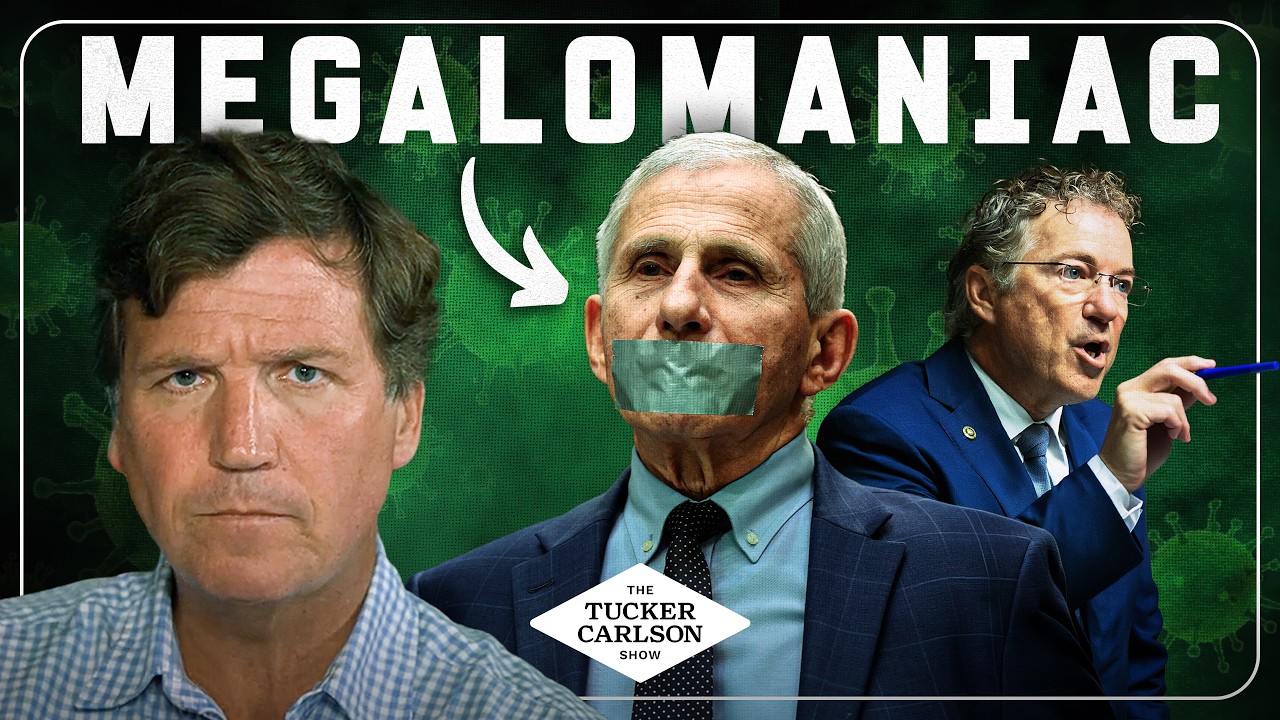
Build the read around a single featured title and explain what a viewer can do next to explore the wider catalog. The Tucker Carlson segment is a reference for moving from one film to a Guild membership invitation.

YouTube brand partnerships
angel.com ↗Lead with the title, then name the next step
Angel Studios sponsor reads do more than introduce a streaming service: they often make one specific film the reason to pay attention, then explain how the title connects to the wider Guild catalog. The examples range from a documentary invitation to a theatrical release and an animated-film project, so the strongest creative reference depends on whether the pitch is about watching, membership or supporting a title.
 ▶ Jump to the sponsor read
Tucker Carlson × Angel Studios
Charlie Kirk is the most frequent partner in the creator list below, with 39 sponsored videos. The Officer Tatum follows with 7.
Explore the creators behind the sponsorships.
 Charlie Kirk39 sponsored videos
 The Officer Tatum7 sponsored videos
 Tucker Carlson Network5 sponsored videosTucker Carlson4 sponsored videos
 Piers Morgan Uncensored4 sponsored videos
 Michael Knowles3 sponsored videos
 Ben Shapiro1 sponsored video
 The Babylon Bee1 sponsored video
Creative starting points drawn from Angel Studios’s integrations.
Build the read around a single featured title and explain what a viewer can do next to explore the wider catalog. The Tucker Carlson segment is a reference for moving from one film to a Guild membership invitation.
Build a theatrical pitch around a short trailer moment and a clear ticket action. Ben Shapiro’s Sound of Hope segment shows how the title, clip and viewing occasion can be sequenced in one read.
Build the creative around a film still in development and clearly explain the participation step. The Babylon Bee example shows a project-focused invitation, separate from a streaming or ticket offer.
The brands, creative choices and product connections worth paying attention to.
In the Tucker Carlson read, the host introduces a documentary about Charlie Kirk by distinguishing its focus on the person’s life and ideas from the circumstances of his death. The segment then widens from the featured film to the Guild’s broader library and a membership invitation. That sequence gives the viewer a clear title first, followed by a reason to explore more content.
Piers Morgan’s segment uses a different documentary pitch: it names the filmmaker and describes the project’s questions, source material and interviewees, then characterizes the film as a call for transparency before introducing the Guild. The language is more investigative and deliberately provocative. A documentary pitch should give the host a concrete question, the people exploring it and a clear reason to watch. Those details make the recommendation more memorable than a broad appeal to support films.
Ben Shapiro’s read for Sound of Hope ties the film to a theatrical opening and uses a trailer excerpt before encouraging viewers to attend. That is a release-led format, distinct from the streaming and membership invitation in Carlson’s read. The Babylon Bee segment goes further back in the pipeline: it discusses an animated David project and invites viewers to participate in bringing the movie to life. Those are separate promotional mechanisms, not interchangeable claims about a streaming catalog.
For a new idea, choose whether the audience is being invited to see a documentary, attend a theatrical release, join the Guild or follow an animated project’s progress. The examples show each route: a film premise, a trailer excerpt, a membership mention and an invitation to help bring David to the screen. Build the segment around the one action that best fits the creator’s format.
These reads offer distinct creative routes: the documentary spot introduces an investigative premise, the theatrical campaign gives a trailer-led invitation, and the David project asks viewers to take part in bringing an animated story to life. A pitch can choose one clear audience action and build the segment around it.
Watch how the product becomes part of the video.
Sponsor at 41:45Tucker Carlson30 Jul 2026The host introduces a documentary about Charlie Kirk, explains how the film is framed, then widens the pitch to the Guild’s library and streaming membership. This is a title-first path into a broader platform invitation.
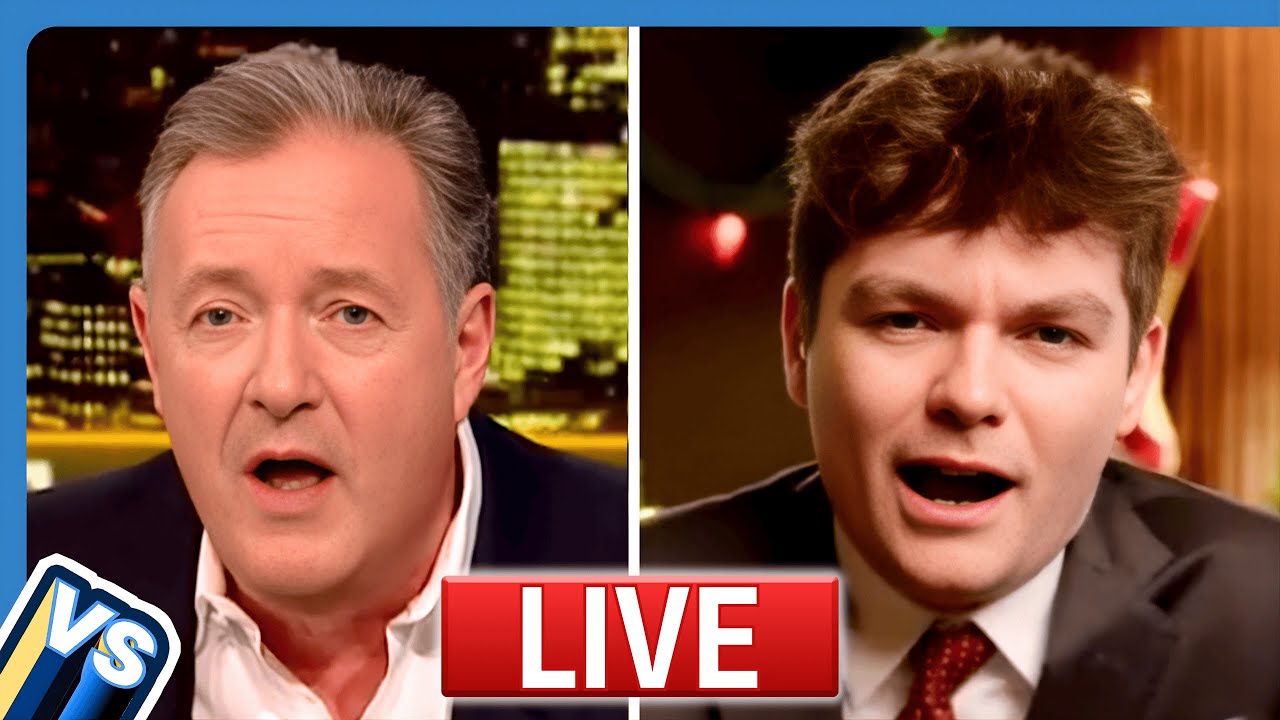 Sponsor at 50:44Piers Morgan Uncensored8 Dec 2025
Piers Morgan’s interview with Nick Fuentes shifts to a named documentary about filmmaker Jenna Fischer’s investigation into COVID-19’s origins and debate around a possible bioweapons race and public-health cover-up. The read distinguishes the film’s premise from a partisan frame, then points viewers to the film and Guild. The subject-first setup suits a documentary promotion inside an interview show.
 Sponsor at 37:42Ben Shapiro28 Jun 2024
Ben Shapiro interrupts debate analysis to announce a theatrical release, play a trailer clip and give his reaction before directing viewers to tickets. The read is tied to the film’s release window rather than a general platform promotion. A creator can make a movie sponsorship vivid by combining a brief premise, a trailer moment and a clear invitation to attend.
 Sponsor at 15:41The Babylon Bee21 Dec 2021
The Babylon Bee conversation shifts to an animated David project from a South African studio, then explains how viewers can help bring the film to life. The read is a participation invitation rather than a ticket or streaming plug. A creator can frame a project promotion around the production’s origin and the audience’s role in supporting it.
Research the partnerships, compare the creative, and build your shortlist in Sponsorbook.