A multi-part build
Build the read around a project with several components to print, then show the machine setup and resulting parts in context. Wicked Makers’ animatronic is a reference for integrating the printer into a longer build.

YouTube brand partnerships
creality.com ↗Make the printer necessary to the project
Creality integrations are strongest when the printer makes an object the video needs: a miniature component, an animatronic part, or a mechanical prototype. The examples range from Wicked Makers’ multi-part character build to The Action Lab’s functional printed mechanism and a materials comparison. That gives a pitch a clear creative test: is the printer doing meaningful work in the project?
 ▶ Jump to the sponsor read

Wicked Makers × Creality
B is for Build is the most frequent partner in the creator list below, with 3 sponsored videos. The Action Lab follows with 2.
Explore the creators behind the sponsorships.
 B is for Build3 sponsored videos
 The Action Lab2 sponsored videosWicked Makers1 sponsored video
 ZNA Productions1 sponsored video
 rctestflight1 sponsored video
 Minibricks1 sponsored video
 Let's Print1 sponsored video
 Teaching Tech1 sponsored video
Creative starting points drawn from Creality’s integrations.
Build the read around a project with several components to print, then show the machine setup and resulting parts in context. Wicked Makers’ animatronic is a reference for integrating the printer into a longer build.
Build a functional prototype and let the creator explain what the printed object is designed to do. The Action Lab’s stabilizer and harmonic-drive videos show how the output itself can carry the product story.
The brands, creative choices and product connections worth paying attention to.
Wicked Makers connects the printer setup to an animatronic project with many pieces to produce. The creators describe the initial setup and calibration, then highlight multi-color filament storage and printing features as they prepare to make parts. The read is embedded in a larger build, so the machine has a visible job and the audience can anticipate the outcome. The segment’s claims about ease and speed are the creators’ sponsor statements, not independent testing.
The Action Lab shows a printed mechanical stabilizer and explains that the design can be made as a single compliant piece. The read then gives an overview of the printer and examples of parts in different materials. This is a stronger technical demonstration because the printer’s output is directly linked to the object being explained.
Let’s Print uses a resin comparison to explore whether printed components work for mechanical applications, then introduces the sponsored resin before the experiment. The product is part of the question being tested, making this a distinct format from a build that simply uses a printer. rctestflight’s laser-mowing video uses printed brackets as part of a custom slider mechanism, while ZNA Productions describes a laser engraver during metalworking. Each product calls for a different demonstration: a resin comparison needs a test question, a printer can make a functional part, and a laser engraver can enter through a material or finish. A useful pitch chooses the exact tool and the job it will perform in the project.
A useful pitch names the precise machine or material, the project part it will produce and the viewer-visible test. Avoid saying a printer is right for every material or application; match claims to model-specific documentation.
Use Wicked Makers for a larger themed build with multiple printed pieces, The Action Lab for a functional mechanism, or Let’s Print for a test-led materials comparison. Each gives the machine a clear role. A brief that only lists specifications would lose the strongest evidence in these integrations: the creator’s project depends on making something real.
Watch how the product becomes part of the video.
Sponsor at 6:46Wicked Makers29 Oct 2025The creators set up a new printer as part of an animatronic build with many pieces, describing calibration and a multi-filament system before beginning production. The machine is visibly connected to the project’s next step.
 Sponsor at 6:57The Action Lab13 Sep 2025
The Action Lab shows a 3D-printed mechanical stabilizer and explains its single-piece design, then reveals the Creality K2 Pro that printed it and names other example parts. The object demonstrates what the printer can produce in the episode’s science context. A creator can make a hardware pitch memorable by showing a finished mechanism before explaining the machine.
 Sponsor at 3:17Let's Print7 Jan 2022
Let’s Print introduces Creality’s water-washable resin as the material for an experiment comparing resin and FDM printing in mechanical applications. The sponsor becomes part of the test variable, not an unrelated product break. A maker can integrate a materials sponsor by stating the question first, then showing how the material performs in the planned experiment.
 Sponsor at 3:53The Action Lab13 Sep 2022
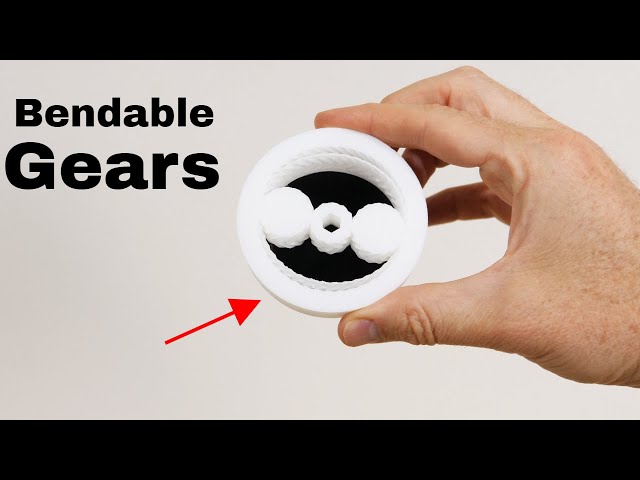
The creator explains a printed harmonic-drive project before introducing the printer and its assembly and monitoring features. It links the machine to an engineering concept viewers can see, rather than presenting it as a standalone gadget.
Research the partnerships, compare the creative, and build your shortlist in Sponsorbook.