Make a technical idea easy to picture
Last Free Nation compares streaming services to traveling without a passport, then connects the analogy to films the hosts discuss on another show. The read turns a licensing and location concept into an image viewers can understand, with a clear connection to the channel’s movie conversations.
Trash Taste takes a joke-led route. One host teases another about a visible wardrobe mishap, then compares online activity without a VPN to leaving the house with a zipper open. Co-host banter creates the opening; the explanation of encrypted traffic follows. The contrast is useful: one analogy explains access, the other grabs attention before moving to privacy.
Use an observation grounded in daily behavior
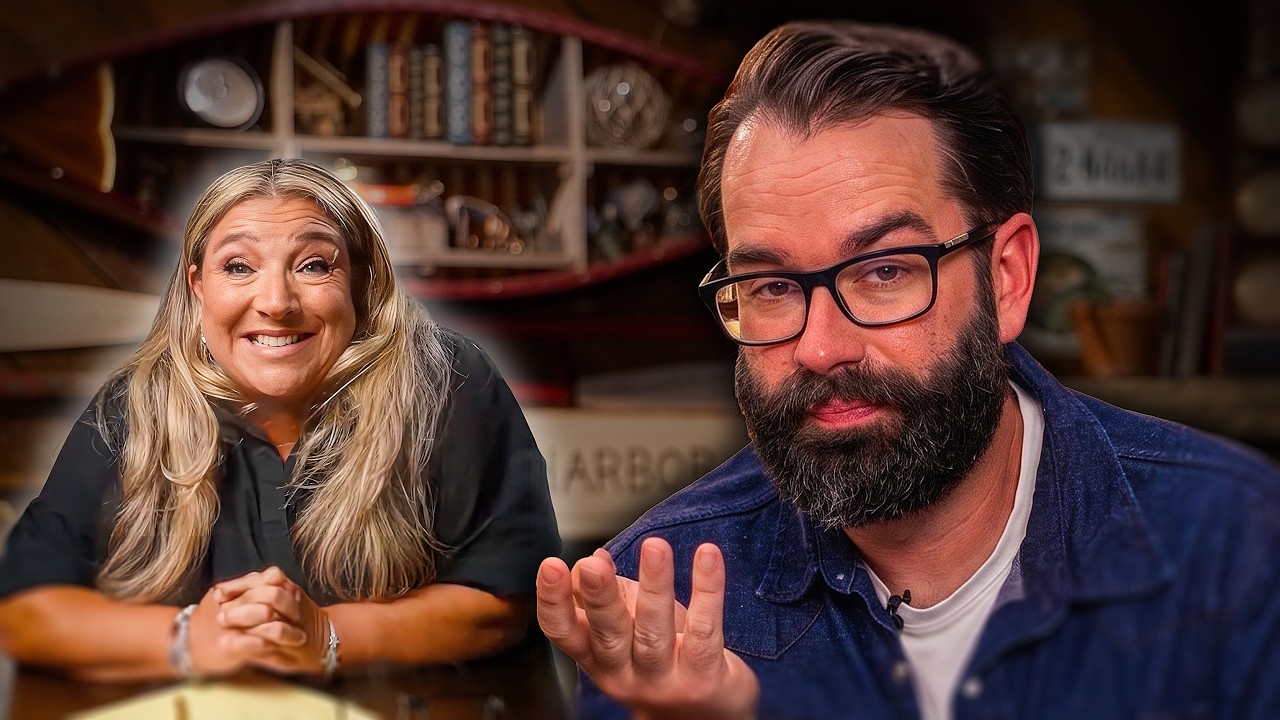
Matt Walsh begins with the familiar instinct to close blinds and lock doors, then contrasts it with online tracking by internet companies and advertisers. His research-heavy routine supplies the reason for wanting private browsing. The read works as an argument that grows from the episode’s conversational commentary, rather than as a generic warning.
SsethTzeentach builds a deliberately absurd coffee-shop computer story before introducing the encrypted connection. That extended comic premise is a very different pacing choice from Matt Walsh’s compact observation. A creator pitch should match the channel’s usual appetite for setup and joke-building.
Plan the pivot and return
The Last Free Nation read arrives deep in a long panel conversation and uses a movie-related analogy; 3kliksphilip places a streaming example inside a game-map video. In both, the host pivots from the current subject to a personal viewing scenario, then returns to the episode.
Pitch the specific behavior the creator would explain: watching a program while abroad, using a public connection, or limiting what an internet provider can observe. State the transition and how the host will return to the main topic; the format can be funny, reflective or practical.