Name the crossing
Build the read around a specific barrier wildlife faces and the project working on it. Good News’s Alberta highway crossing story gives viewers a clear place and conservation task.

YouTube brand partnerships
planetwild.com ↗Show the mission behind the membership
Planet Wild reads make conservation tangible by naming a place, species or restoration project and connecting it to the organization’s member-funded missions. Good News describes wildlife crossings along a Canadian highway; Ordinary Things discusses restoring land for koalas; Tom Scott introduces an owl brought back from local extinction. The strongest creative treatment moves from the nature story to the specific mission the community supports.
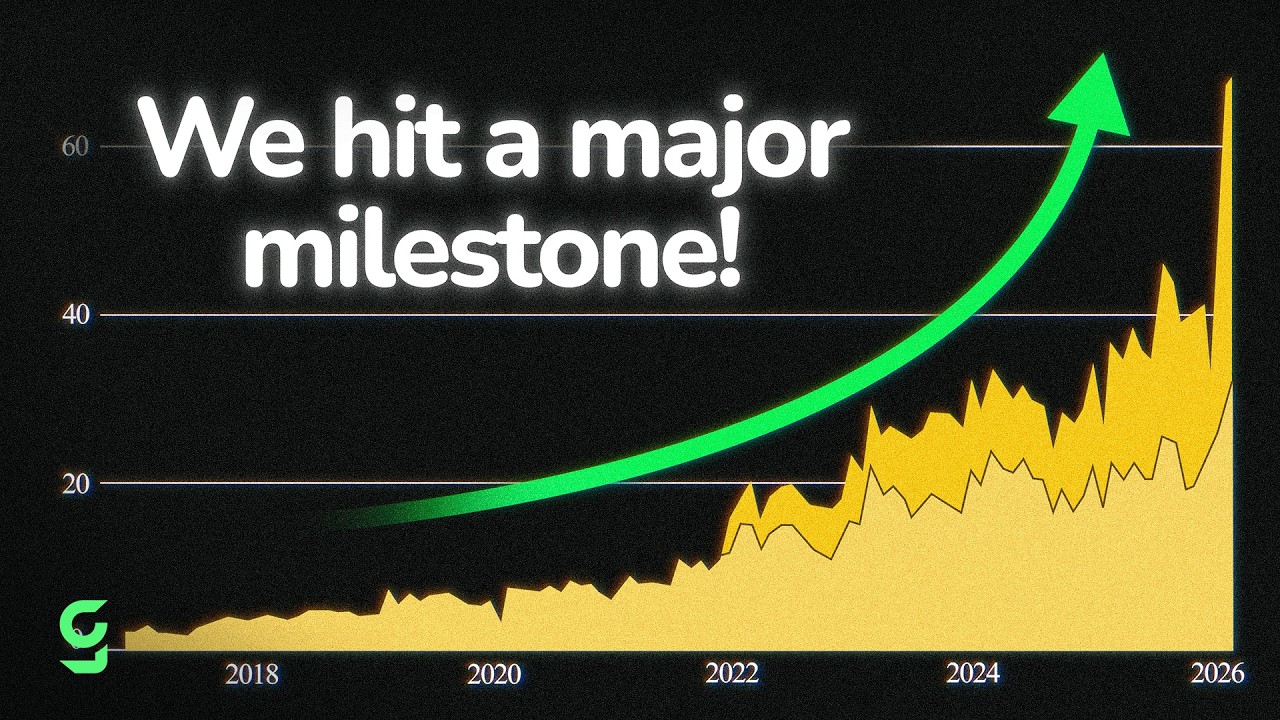 ▶ Jump to the sponsor read

Good News × Planet Wild
Good News is the most frequent partner in the creator list below, with 9 sponsored videos. TLDR News follows with 7.
Explore the creators behind the sponsorships.
Good News9 sponsored videos TLDR News7 sponsored videosS
 Simon Clark5 sponsored videos
 Ordinary Things4 sponsored videos
 Stefan Milo2 sponsored videos
 Tom Scott1 sponsored video
 Steve Mould1 sponsored video
 Andrew Lam1 sponsored video
Creative starting points drawn from Planet Wild’s integrations.
Build the read around a specific barrier wildlife faces and the project working on it. Good News’s Alberta highway crossing story gives viewers a clear place and conservation task.
Use one species and one recovery project to show what community-backed conservation can look like. Tom Scott’s Little Owl segment ties membership to a visible result.
The brands, creative choices and product connections worth paying attention to.
Good News describes work with Y2Y to identify wildlife crossings along Highway 3 in Alberta, where a road cuts through animal populations. It then introduces Planet Wild as a community funding conservation missions. The place and crossing problem give the membership a concrete environmental context.
Ordinary Things focuses on land restoration for koalas in South Australia, describing the area the community is helping to restore. This turns the sponsor read into a local project story rather than a broad appeal to care about nature.
Tom Scott identifies the Little Owl and explains that the species has returned from local extinction through a conservation project he is part of. The read connects personal participation to a visible ecological outcome, then explains how Planet Wild funds missions.
Good News also emphasizes that projects are documented on YouTube so contributors can see what their support is intended to achieve. That transparency is a useful creative idea for a channel that can show mission footage and explain progress.
These examples each have a tangible anchor: wildlife crossings, restored koala habitat and the return of a local owl. A pitch should choose one mission and explain the challenge, the work and the result the creator can show.
A mission-led segment gives viewers a clear story to follow and makes membership feel connected to a particular conservation effort. End with the community action and link the invitation back to the mission named in the video.
Watch how the product becomes part of the video.
Sponsor at 10:47Good News26 Jul 2026Good News describes Y2Y identifying wildlife-crossing locations along Alberta’s Highway 3, where the road cuts through animal habitat, then connects the work to Planet Wild’s monthly conservation missions. The place and project make the organization’s role concrete. A creator can give a conservation integration substance by naming the fieldwork and location viewers can follow.
 Sponsor at 12:46Ordinary Things6 Jul 2026
Ordinary Things shifts from an account of money and power to a specific Planet Wild-funded effort restoring koala habitat in South Australia. The read brings the mission into view through a named animal and place rather than an abstract appeal. A creator can make a membership invitation more memorable by showing the project supporters are helping fund.
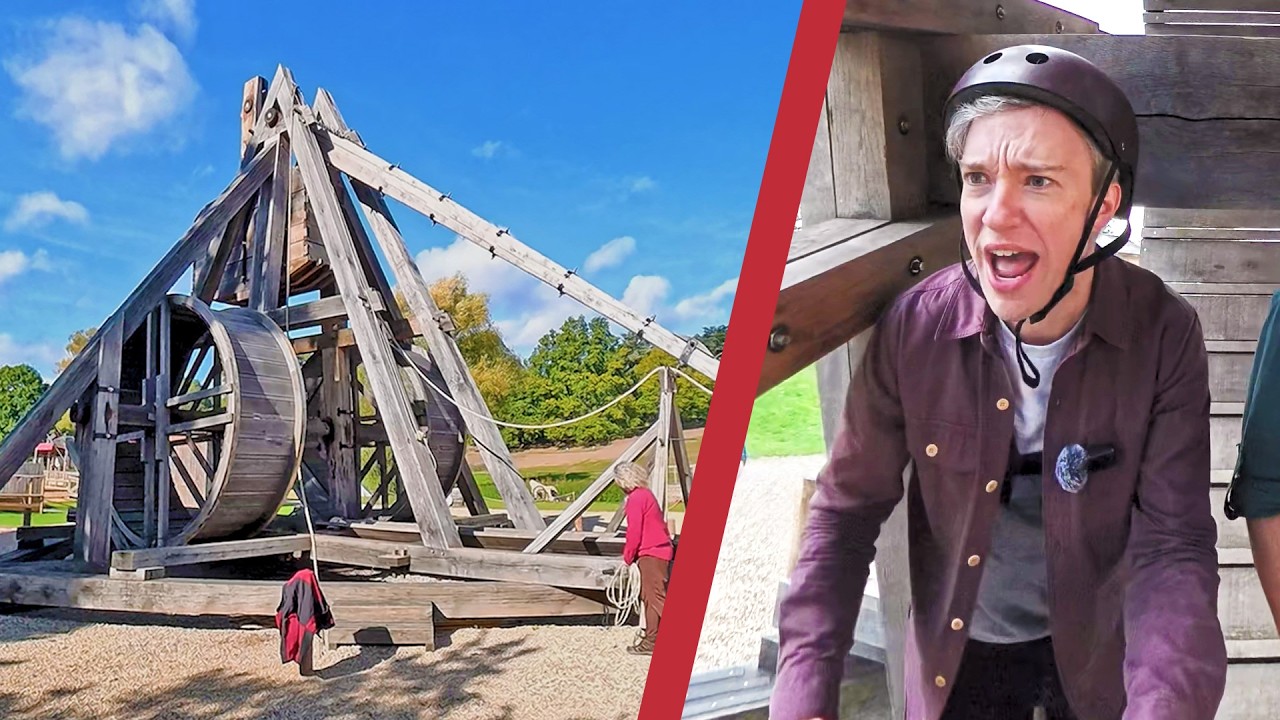 Sponsor at 13:44Tom Scott6 Jul 2026
Tom Scott pauses a trebuchet demonstration to introduce the Little Owl, explaining that the species was brought back from local extinction through conservation work supported by the Planet Wild community. The unusual project setting makes the mission memorable. A creator can explain a conservation organization through a species and field project viewers can see in the episode.
Research the partnerships, compare the creative, and build your shortlist in Sponsorbook.