How do these reads extend the episode?
In the video about Russia’s war economy, Money & Macro recommends several Economist analyses on the same broad subject and encourages viewers to cross-check the creator’s account. That is a strong topical bridge: the subscription is framed as further reading related to the argument viewers have just heard. The creator then notes a preference for print or digital access.
The China economy segment uses a similar curated path, naming separate pieces on science, growth targets and price competition. Rather than ask viewers to browse without direction, the host gives a sequence of reading suggestions tied to the episode. In a pitch, that approach can make a subscription feel useful by identifying a specific follow-up question.
What role can archive and format play?
The historical-economy video points viewers to The Economist’s archive coverage of 1945, linking the product to a period-specific research trail. The integration works as a resource recommendation attached to the topic, not as a generic promotion of a current issue.
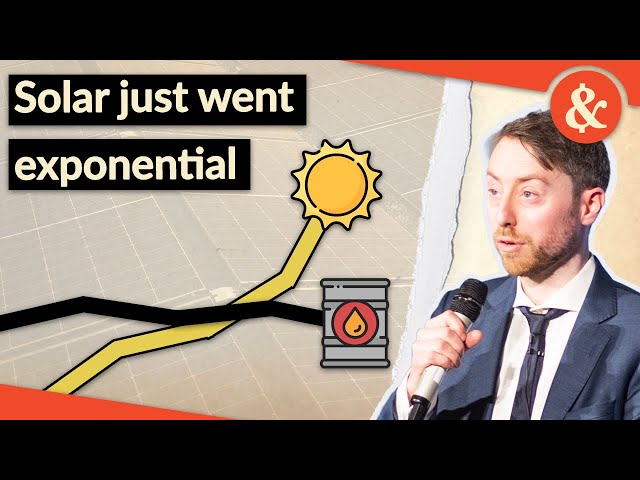
In the solar video, the creator describes using a weekly brief while commuting and longer reporting through the app and website. That shifts the pitch from “read more” to the practical ways a subscription can fit into a routine. Product access and available formats can change, so future copy should confirm current details before promising them.
What should a creator propose?
Choose one episode question and identify two or three relevant follow-up reads, archives or explainers that viewers could pursue. Explain why each source advances the subject, then show how print, audio or digital access fits the creator’s actual use.