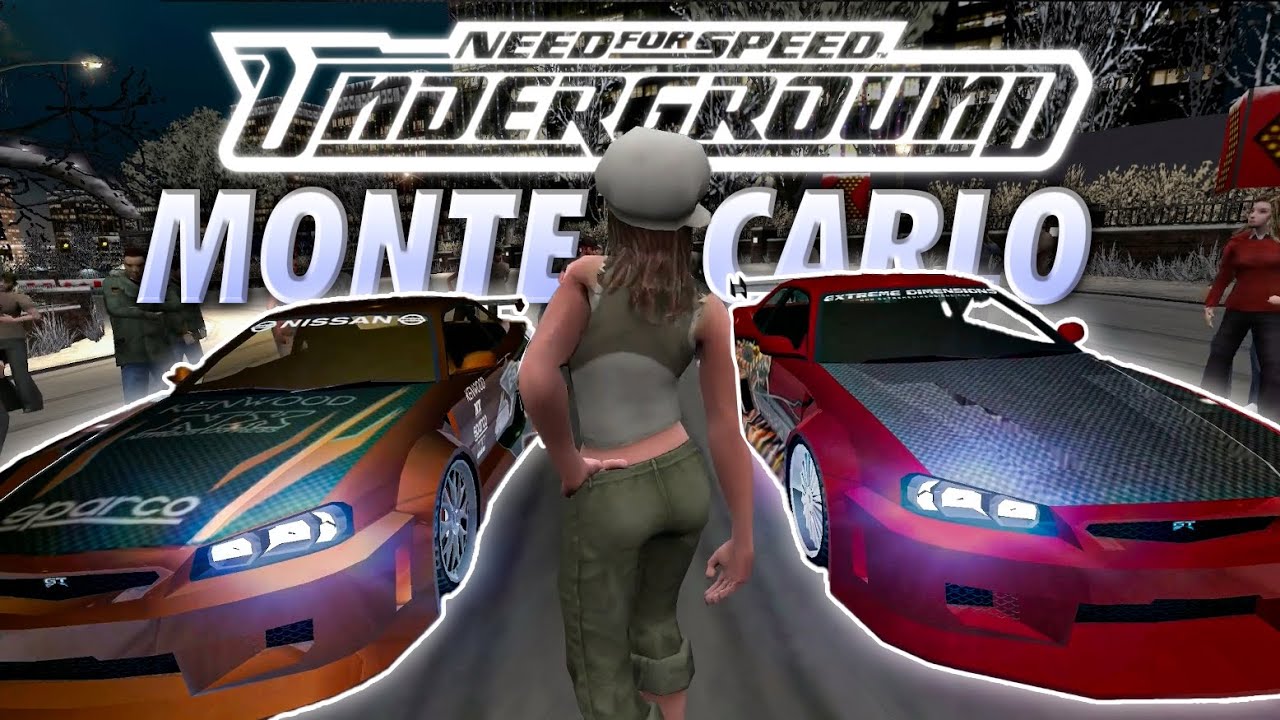
Use the game on screen as the bridge
In “THIS Underground 2 Remaster you need to play,” the gameplay reaches a pause after a driving sequence. The video makes a passing remark about finding a cheap game key, then the sponsor read identifies Instant Gaming as a place to look for game keys. The move is direct and brief: the product category is already part of the creator’s thought about the game, so the handoff does not need a long explanation.
The Snow Handling video uses the same brand in a similarly compact slot. A comment about the car’s handling leads into the familiar recommendation to look for cheap keys. The repetition across two racing videos offers a clear pitch pattern: connect the store to the game the viewer is watching, then move back to the next run.
Let the segment stay lighter than the gameplay
These examples do not interrupt the format with a separate skit or product demonstration. The host pauses, gives a simple category-level description, and points viewers to the link before the race resumes. That low-friction treatment suits gameplay videos where the entertainment is in the driving and challenge, not in an extended shopping explanation.
A useful proposal should specify the game-related context and the one action viewers can take, such as checking whether a title is listed. Give the viewer a clear destination for finding the game, and put the offer after that explanation.
Repeat a recognizable cue without repeating a script
Across the catalogue examples, the Instant Gaming read uses a recognizable verbal cue before sending viewers to the description link. The consistency makes the sponsor easy to identify, but the videos differ in where that line lands: one follows a joke about a release, another sits between handling commentary and the next driving attempt.
For a pitch, choose a natural breath in the video and tailor the first sentence to that episode’s game or challenge. The value of this format is its speed and relevance, not a lengthy list of store features.

 Sponsor at 6:28
 Instant Gaming23 Feb 2026