When the product becomes part of the experiment
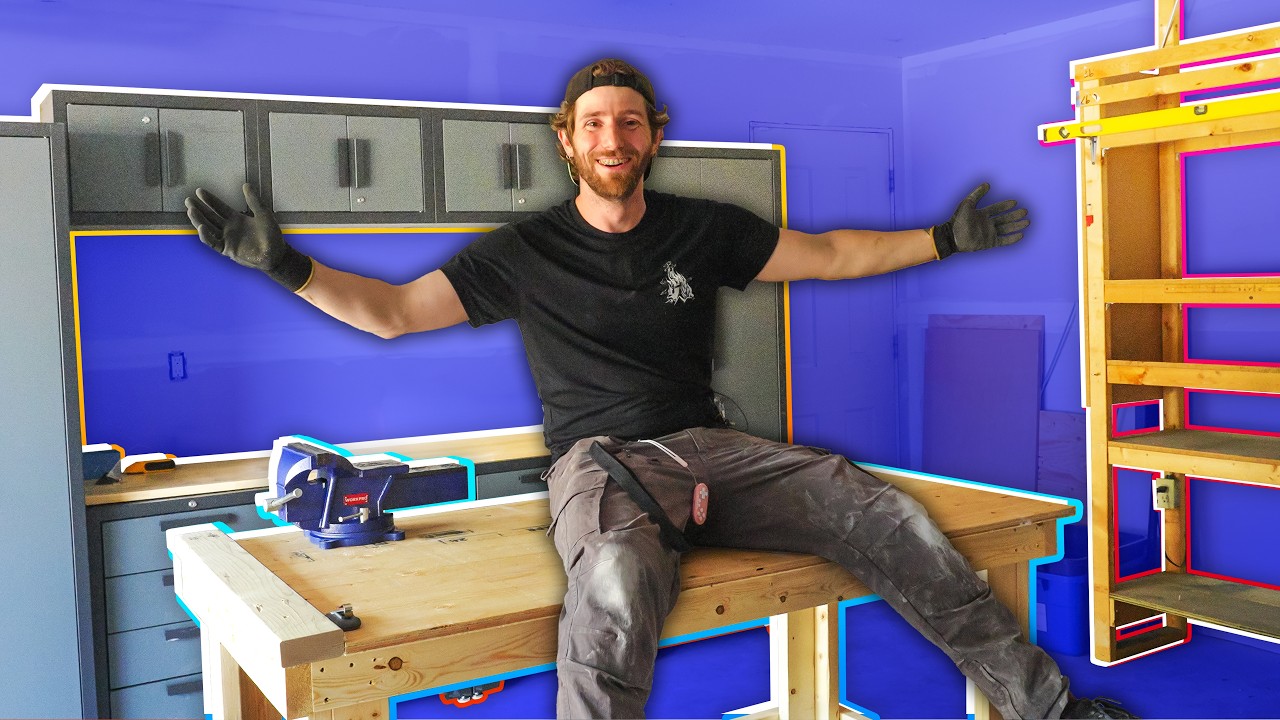
The Dreo read in “The Tech House Needs a Workshop…” grows directly out of the workday setting. The crew has been using a larger misting unit at an event, then tests a residential model in the workshop. Their surprise at the fine mist and lack of residue gives the sponsor a visible demonstration instead of a catalogue of claims. The casual enthusiasm works because the product is present in the same hot, busy environment the video has established.
That is a useful brief model for practical hardware: identify a real constraint in the episode, let the creator test the product against it, and make the benefit easy to see. Here the product is part of the filmed activity. A hardware brief can make that role explicit by naming the task, the constraint and what the creator will show.
Use a format shift when the product is less visual
Odoo takes a different route in “It Took Me 6 Years to Make This.” After the build story reaches a natural transition, the team stages a short doctor-and-patient sketch about a business spread across too many tools. The joke turns the abstract promise of a unified business platform into a recognizable problem, then names the functions Odoo covers and gives a trial call to action.
The contrast with Dreo is instructive: a tangible device benefits from an on-camera test, while software can use a premise and a compressed explanation. A pitch should propose the right format for the product, not force every sponsor into the same creator voice.
Make the use case precise
UGREEN’s NAS read in “Valve Accidentally Made the Best Desktop PC I’ve Ever Used” starts with storage problems viewers can picture: backing up family videos or retaining security-camera footage. It then explains drive capacity, camera compatibility and setup in concrete terms. That specificity helps bridge from a gaming-PC discussion to a home-storage product without claiming the NAS is part of the reviewed PC.
Omada offers another practical connection: its gateway is introduced as part of a home-network fix, and the later mention frames the giveaway around enthusiast or small-office setups. For a pitch, name the setup and the task the product would handle. A generic ‘tech audience’ fit is weaker than a proposed demonstration tied to the episode’s actual build or troubleshooting.



 Sponsor at 17:26
 Dreo30 Jul 2026