TCL fits into a myth-or-truth air-conditioning video
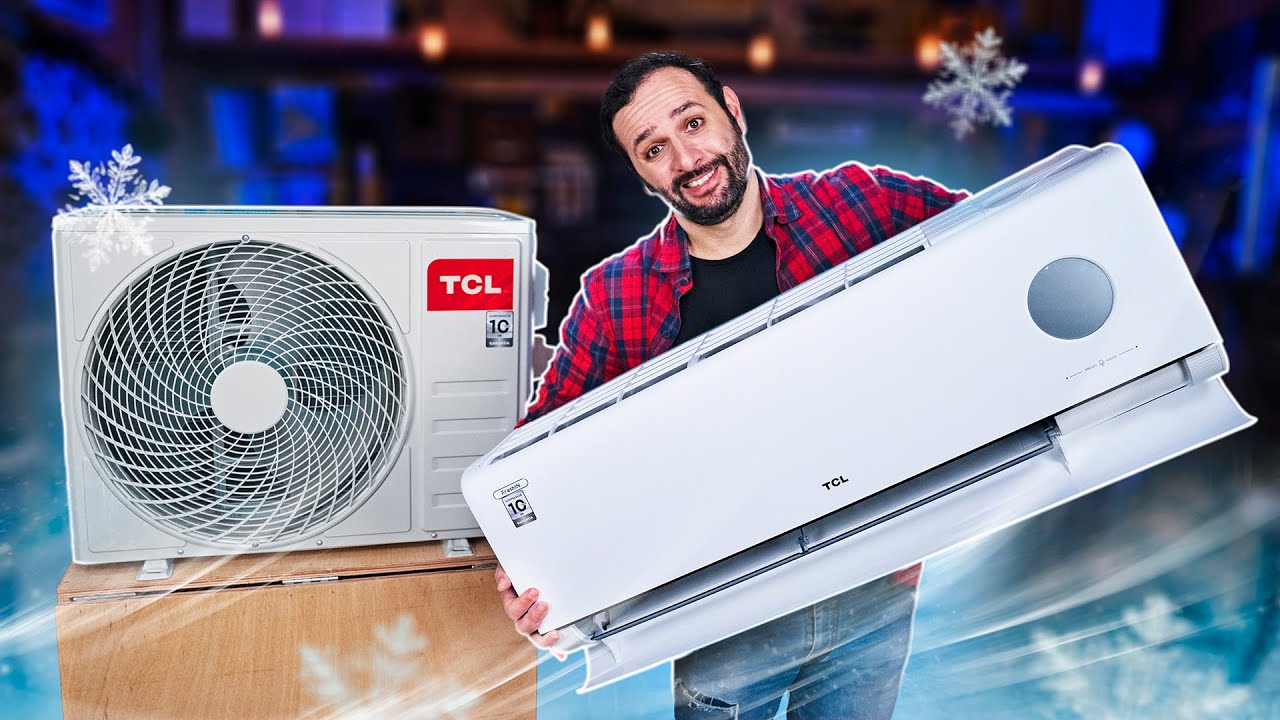
In the air-conditioner episode, the creators begin with common questions about temperature and efficient use, then introduce TCL’s Freshin 3.0. The segment discusses cooling and air-treatment functions, breeze mode, voice commands and the TCL Home app. The product becomes an example within a broader explainer, connecting technical features to everyday questions that shape the video.
That format gives TCL a clear educational role: the host explains how a modern appliance is controlled and what its features do. A future integration could follow the same structure by taking a viewer question, demonstrating the relevant control and returning to the broader explanation.
Disney becomes the setting for a film-effects visit
In the Haunted Mansion video, the host explains that the house set was assembled to promote Disney’s film, then describes its premise and the effects that caught his attention. He mentions ghosts emerging from mirrors, a rotating corridor and levitating characters. He also shows a moving crystal-ball object that recalls Madame Leota and describes how a prop like it could decorate a room or entertain visitors.
This is an entertainment-promotion treatment: the film environment supplies the experience and the creator comments on its effects and props. The integration feels like a visit rather than a conventional spoken sponsor break.
Two kinds of demonstration
TCL gives the host a product to explain against audience questions; Disney provides a themed space and effects to explore. Both approaches suit Manual do Mundo’s curious, hands-on voice. A brief can decide whether viewers should learn how a feature works or experience a set and its production design through the creator’s observations.
The appliance example begins from questions viewers actually ask, while the film visit begins from an immersive setting. These contrasting approaches show how an explanatory creator can present both a feature and an entertainment experience.




 Sponsor at 14:13
 TCL25 Nov 2025