Match the learning promise to the episode’s curiosity
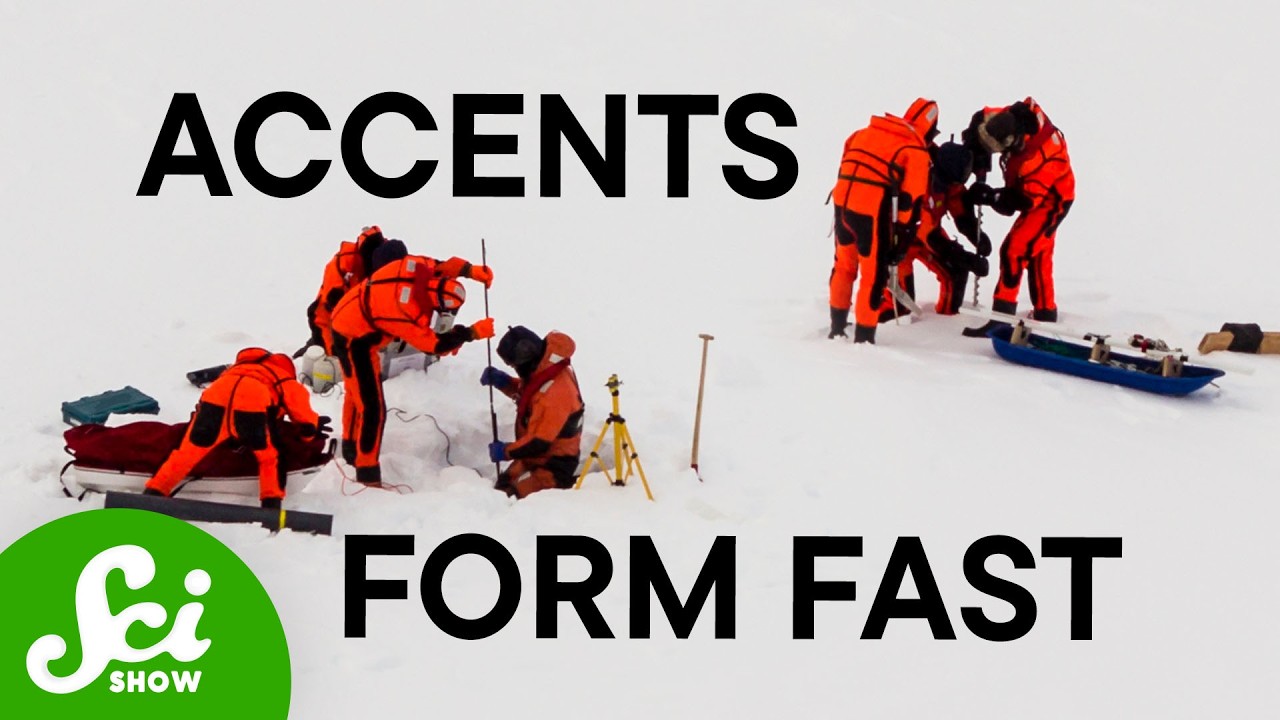
In “Antarctica Has An Accent and It’s Weirder Than You Think,” the Brilliant read starts from the channel’s audience enjoying ideas and learning outside class. It names a coding course and describes a progression from basic programs to loops and error prevention. The placement comes after a section about accent perception and before the science explanation resumes, so the sponsor’s learning proposition echoes the show’s educational purpose without pretending to explain the Antarctic accent.
Another Brilliant read, in “What’s The Fastest Language?”, takes a more everyday angle: short practice sessions fit into spare moments such as waiting for a friend or picking up a child. That gives a pitch two different routes: connect the product to curiosity and skill-building, or show how it fits into a real slice of a busy day.
Translate specialist software into a research task
JMP’s integration in “Why We Still Don’t Have Hypersonic Flights” begins with the data behind SciShow’s stories. It explains that researchers need to analyze collected data, then connects JMP to visualization and teaching statistical concepts. In “How Old IS Language?”, the same software is framed through a specific analytic challenge: too many variables, with predictor screening and multivariate methods offered as tools to make the dataset easier to interpret.
That comparison is useful for B2B or education software. Rather than list every capability, choose one task the episode already makes relevant and explain how the tool helps with it. The hypersonic-flight example starts broad, while the language episode narrows quickly to a data problem and named analytical approaches.
Give the audience a complete next step
The Squarespace segment in “The Disappearing Star and The Oldest Story Ever Told” draws on Complexly’s own merchandise operation. It names product pages, reviews and payments, then broadens to invoices, proposals and contracts. The connection is not the astronomy subject; it is a real workflow behind making educational videos and merchandise.
Across the reads, SciShow clearly marks the break, explains the product in a self-contained passage and returns to the lesson. For a pitch, prepare a concise transition and a practical demonstration or use case, then provide a simple route to try or learn more about the product.


 Sponsor at 4:16
 Brilliant2 Apr 2026