Debt is not one-size-fits-all
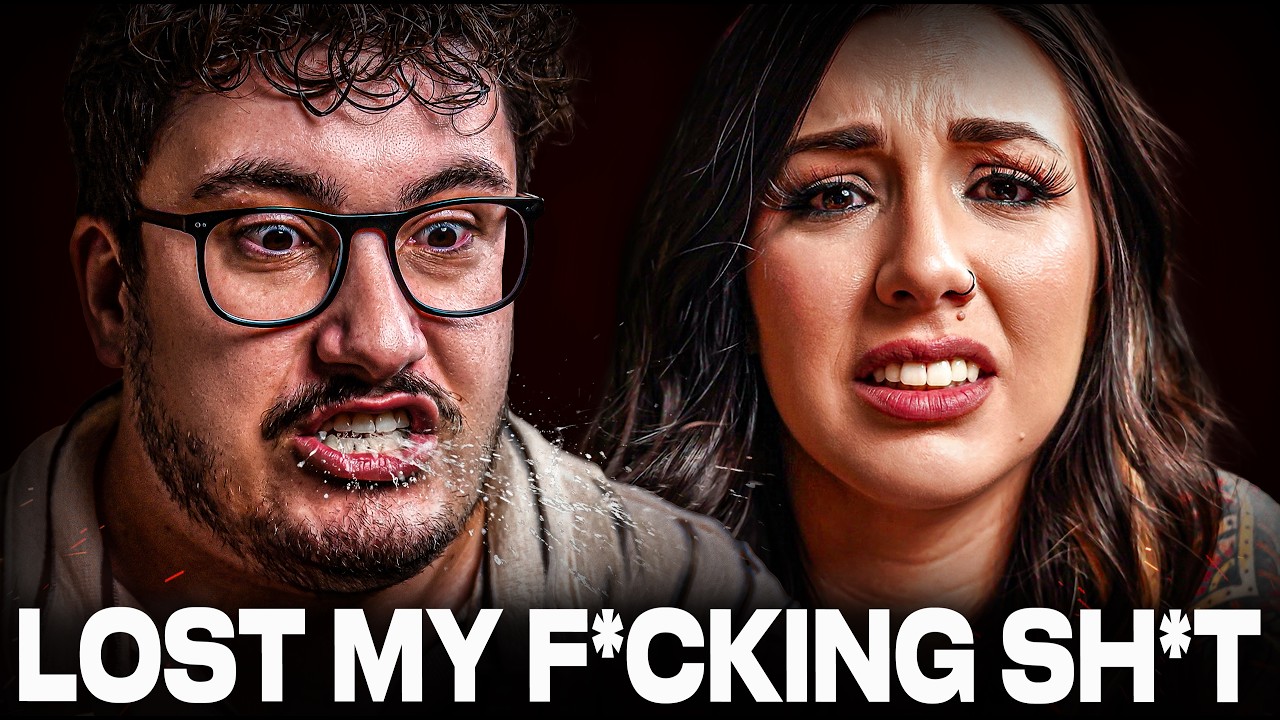
Build the opening around a person’s mix of balances and payments, then explain the assessment as a way to understand options. Caleb Hammer makes individual circumstances the focus.

YouTube brand partnerships
pdsdebt.com ↗Start with the person’s actual debt picture
PDS Debt reads frame the service around the fact that debt situations differ from person to person. Caleb Hammer names a mix of possible balances and payments; Dr Insanity connects debt to the pressures people carry; Any Austin turns the brand name into a joke inside a GTA building-history video before introducing the assessment. The creative challenge is to keep the subject concrete and the tone respectful.
 ▶ Jump to the sponsor read

Caleb Hammer × PDS Debt
The Why Files is the most frequent partner in the creator list below, with 32 sponsored videos. Caleb Hammer follows with 26.
Explore the creators behind the sponsorships.
 The Why Files32 sponsored videosCCaleb Hammer26 sponsored videos
 Candace Owens8 sponsored videos
 Dr Insanity4 sponsored videos
 Channel 5 with Andrew Callaghan3 sponsored videos
 Any Austin1 sponsored video
 ColdFusion1 sponsored video
 Swegle Studios1 sponsored video
Creative starting points drawn from PDS Debt’s integrations.
Build the opening around a person’s mix of balances and payments, then explain the assessment as a way to understand options. Caleb Hammer makes individual circumstances the focus.
When the episode covers people carrying difficult burdens, use a measured transition into the pressures of debt and the service’s assessment. Dr Insanity uses a human-centered route.
The brands, creative choices and product connections worth paying attention to.
Caleb Hammer addresses a viewer with an individual mix of credit cards, medical bills, personal loans and collections, then contrasts that with a one-size-fits-all calculator. The read’s core is personalization: each person’s balances, rates and payments are different.
Dr Insanity moves from a crime story into the weight people carry, including high-interest loans, credit-card balances and medical bills. That bridge links the episode’s human story to debt without making the product the center of the preceding narrative.
Any Austin stages a mistaken reading of a building name as “PDS Debt” before breaking the joke and introducing the sponsorship. The transition is deliberately comic and then turns to an explanation of debt assessment. It contrasts with Caleb Hammer’s direct audit language and Dr Insanity’s reflective framing.
A pitch should suit the show: a direct financial conversation can name the types of obligations being discussed; a narrative channel can use a careful thematic bridge; a comedy format can open with a wordplay moment and then switch to a clear explanation.
The examples position an assessment as a way to understand options based on a person’s situation. The read should say what the viewer can expect from the initial step and keep any offer details tied to the brand’s approved brief.
A useful creator concept identifies the scenario and the transition, then explains how someone can request information. Specificity and a considerate tone matter more than a dramatic promise.
Watch how the product becomes part of the video.
Sponsor at 22:26Caleb Hammer31 Jul 2026Caleb Hammer tells a guest that her debt mix includes credit cards, medical bills, personal loans and collections, then contrasts those different balances and terms with a tailored assessment. The audit format makes the variety visible through one person’s budget. A creator can frame a financial-service read around the actual problem discussed rather than a generic debt scenario.
 Sponsor at 11:38Dr Insanity7 Jul 2026
Dr Insanity moves from a story about trauma and everyday burdens to the pressure of debt, then names high-interest loans, credit cards and medical bills before introducing PDS Debt. The transition is serious and tied to the episode’s human context. A creator can make a financial topic feel relevant by linking it to the specific burden already under discussion.
 Sponsor at 5:30Any Austin13 Jun 2026
Any Austin uses “PDS building” as a fake name during a search for old GTA buildings, then reveals the joke and pivots into PDS Debt’s debt-assessment explanation. The sponsor enters through the game’s architecture hunt. A creator can use a fictional place-name gag to create a clean handoff, then explain the service plainly.
Research the partnerships, compare the creative, and build your shortlist in Sponsorbook.