The forgotten subscription
Open with one recurring charge the creator forgot about, then demonstrate how the app surfaces subscriptions and supports cancellation. SmoshCast gives this idea a natural two-person exchange.

YouTube brand partnerships
rocketmoney.com ↗Turn a money blind spot into a clear next step
Rocket Money reads make personal finance features concrete by starting with overlooked subscriptions, unclear spending or an account picture that is hard to see. SmoshCast stages a two-person conversation about forgotten recurring charges; RealLifeLore connects small monthly subscriptions to costs that quietly accumulate; Any Austin uses a candid, unscripted-sounding explanation of budget and spending tools. These distinct approaches give creators a practical opening.
 ▶ Jump to the sponsor read

SmoshCast × Rocket Money
The Yard is the most frequent partner in the creator list below, with 42 sponsored videos. SmoshCast follows with 34.
Explore the creators behind the sponsorships.
 The Yard42 sponsored videosSmoshCast34 sponsored videos
 Any Austin8 sponsored videos
 Complexly4 sponsored videos
 The Why Files3 sponsored videosR
 RealLifeLore2 sponsored videos
 Matthew Cox | Inside True Crime1 sponsored video
 PointlessHub1 sponsored video
Creative starting points drawn from Rocket Money’s integrations.
Open with one recurring charge the creator forgot about, then demonstrate how the app surfaces subscriptions and supports cancellation. SmoshCast gives this idea a natural two-person exchange.
Build a read around a creator reviewing where money goes, then focus on one helpful view or alert. Any Austin’s informal feature walk-through shows how a direct tone can carry the explanation.
The brands, creative choices and product connections worth paying attention to.
SmoshCast turns forgotten subscriptions into a conversational scene. One host admits that recurring charges continued after he forgot to cancel, while another asks how that happened. The exchange introduces subscription tracking and cancellation within the app, then broadens to the dashboard view of accounts.
RealLifeLore takes a reflective route, asking viewers what they might tell their past selves about subscriptions they signed up for and forgot. The read connects small monthly charges to the difficulty of keeping track, then explains how recurring payments can be gathered in one place.
Any Austin drops the polish and says plainly that he was sick while writing the script, then explains the app through a mnemonic for canceling, lowering bills, automating budgets and setting alerts. That casual delivery makes particular features the center of the read.
The Yard uses a group conversation about one member’s monthly spending, with friends questioning the number and asking for the breakdown. That social format makes spending visibility a discussion rather than a monologue.
Rocket Money can be introduced as a quick dialogue, a reflective question or a candid feature explanation. SmoshCast uses banter; RealLifeLore uses a question that bridges from the video topic; Any Austin keeps an informal, direct voice.
For a pitch, choose the money-management task the creator can honestly describe and the format that best fits their show. A clean example of tracking, categorizing or locating subscriptions gives the audience an immediate reason to understand the app.
The reads distinguish subscription cleanup from a broader spending review. The first can be a quick discovery story; the second can use a dashboard or alert to explain ongoing visibility into money movement.
Watch how the product becomes part of the video.
Sponsor at 8:42SmoshCast6 Jul 2026SmoshCast turns forgotten recurring charges into a conversation, with one host admitting that subscriptions kept billing after they had slipped his mind. The read then describes tracking and cancelling them in Rocket Money and reviewing the account dashboard. A creator can start a finance-app demo with a specific charge they forgot, then show the step that helped them notice it.
 Sponsor at 21:57RealLifeLore29 May 2026
RealLifeLore asks viewers what they would tell their past selves about subscriptions still costing money, then introduces Rocket Money as a place to review recurring charges. The rhetorical question links a large-scale episode to an everyday personal-finance habit. A creator can use a backward-looking prompt to make a money-management feature relatable.
 Sponsor at 5:35Any Austin29 May 2026
Any Austin admits he is sick and skips a planned joke before introducing Rocket Money in a video tracing the water system of a medieval city. The straightforward sponsor break contrasts with the elaborate history investigation. A creator can keep a read natural when production plans change by naming the tool plainly and returning to the episode’s puzzle.
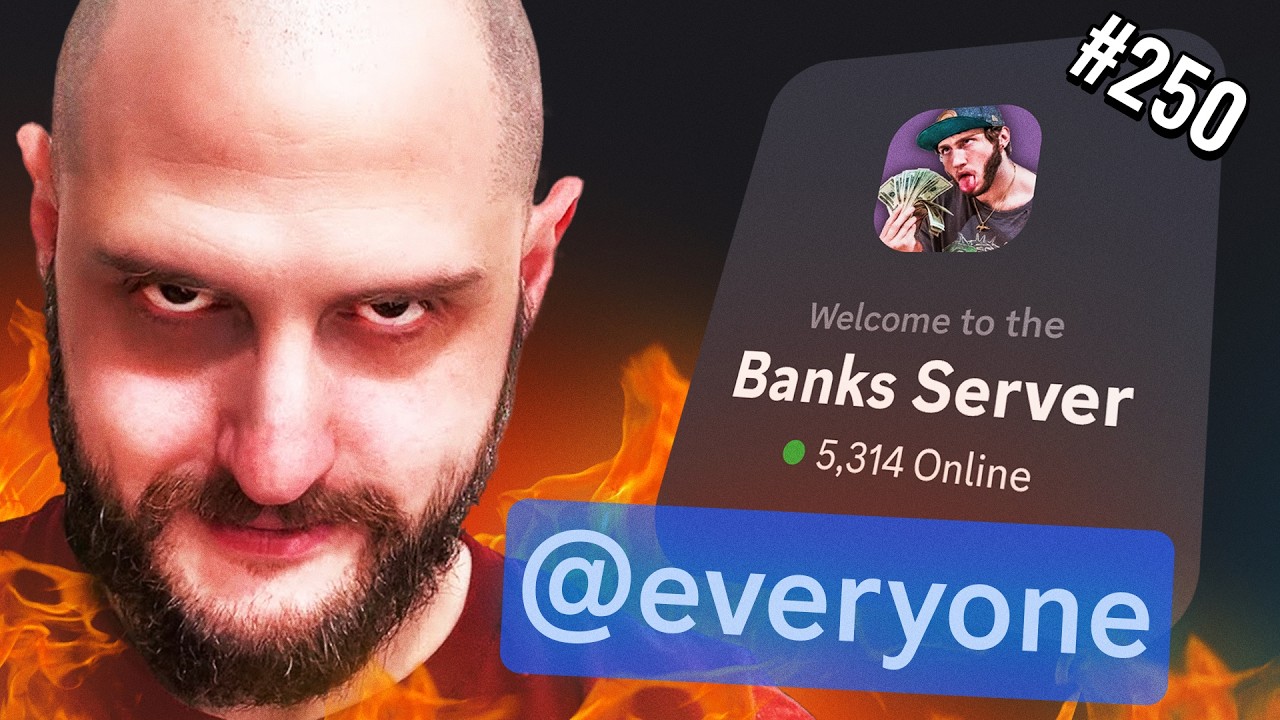 Sponsor at 44:30The Yard14 May 2026
The Yard reacts when a host says he found out how much he spends each month after downloading Rocket Money. The group’s disbelief turns the discovery into a conversation rather than a polished testimonial. A creator can let a surprising dashboard number become the hook, then explain how they reviewed the spending.
Research the partnerships, compare the creative, and build your shortlist in Sponsorbook.